10 Electrical Safety Tips for Your Home
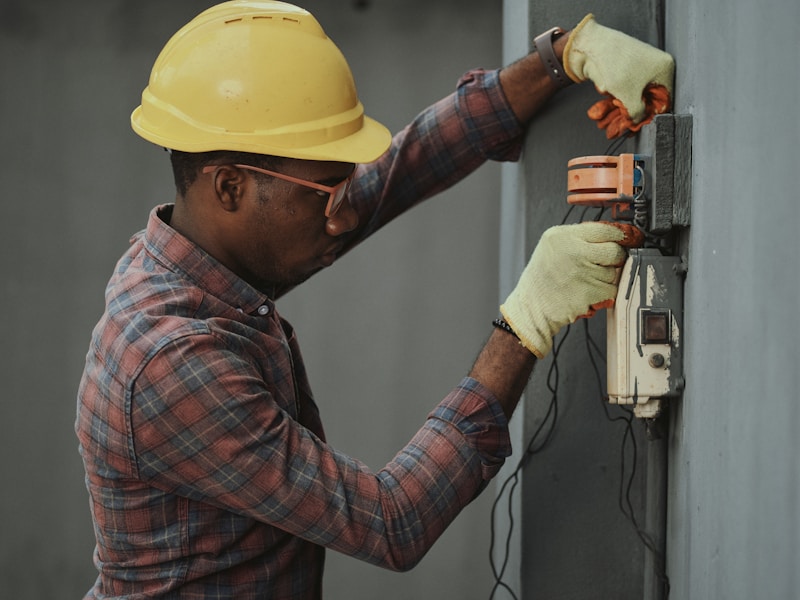
Electrical safety is crucial for protecting your family and property. Here are 10 essential tips every homeowner should know.
1. Never Overload Outlets
Overloading electrical outlets is one of the leading causes of electrical fires. Avoid using multiple high-wattage appliances on the same outlet. Use power strips with built-in surge protection instead of daisy-chaining extension cords.
2. Check Cords Regularly
Inspect all electrical cords for damage, fraying, or exposed wires. Replace damaged cords immediately. Never run cords under rugs or furniture where they can overheat or become damaged.
3. Install GFCI Outlets
Ground Fault Circuit Interrupter (GFCI) outlets should be installed in bathrooms, kitchens, garages, and outdoor areas. These outlets automatically shut off power when they detect a ground fault, preventing electrical shocks.
4. Keep Water Away from Electricity
Water and electricity don't mix. Never use electrical appliances near water, and keep all electrical devices away from sinks, bathtubs, and pools. Always dry your hands before touching electrical switches or outlets.
5. Use the Right Bulb Wattage
Always check the maximum wattage recommended for light fixtures and lamps. Using bulbs with higher wattage than recommended can cause overheating and potentially start a fire.
6. Childproof Your Outlets
If you have young children, install tamper-resistant outlets or use outlet covers. These safety devices prevent children from inserting objects into outlets, reducing the risk of electrical shock.
7. Don't Ignore Flickering Lights
Flickering lights can indicate loose wiring, overloaded circuits, or other electrical problems. If you notice persistent flickering, consult a licensed electrician to identify and fix the issue.
8. Test Smoke Detectors
Test your smoke detectors monthly and replace batteries annually. Smoke detectors are essential for early fire detection and can save lives.
9. Know Your Circuit Breaker
Familiarize yourself with your home's circuit breaker panel. Label each circuit clearly so you can quickly shut off power in an emergency. If breakers trip frequently, have an electrician investigate.
10. Schedule Regular Inspections
Have a licensed electrician inspect your home's electrical system every 10 years for newer homes, or more frequently for older homes. Regular inspections can identify potential hazards before they become serious problems.
Conclusion
Following these electrical safety tips can help protect your home and family from electrical hazards. When in doubt, always consult a licensed electrician. Your safety is worth the investment.